Aloha, Welcome to Seahorse Diving Club!
Dive trips, PADI courses, island escapes and ocean conservation in Vietnam. Join us for good dives, Brazilian BBQ and the Sea

Good dives. Good people. A shared love for the ocean.
The Seahorse Way
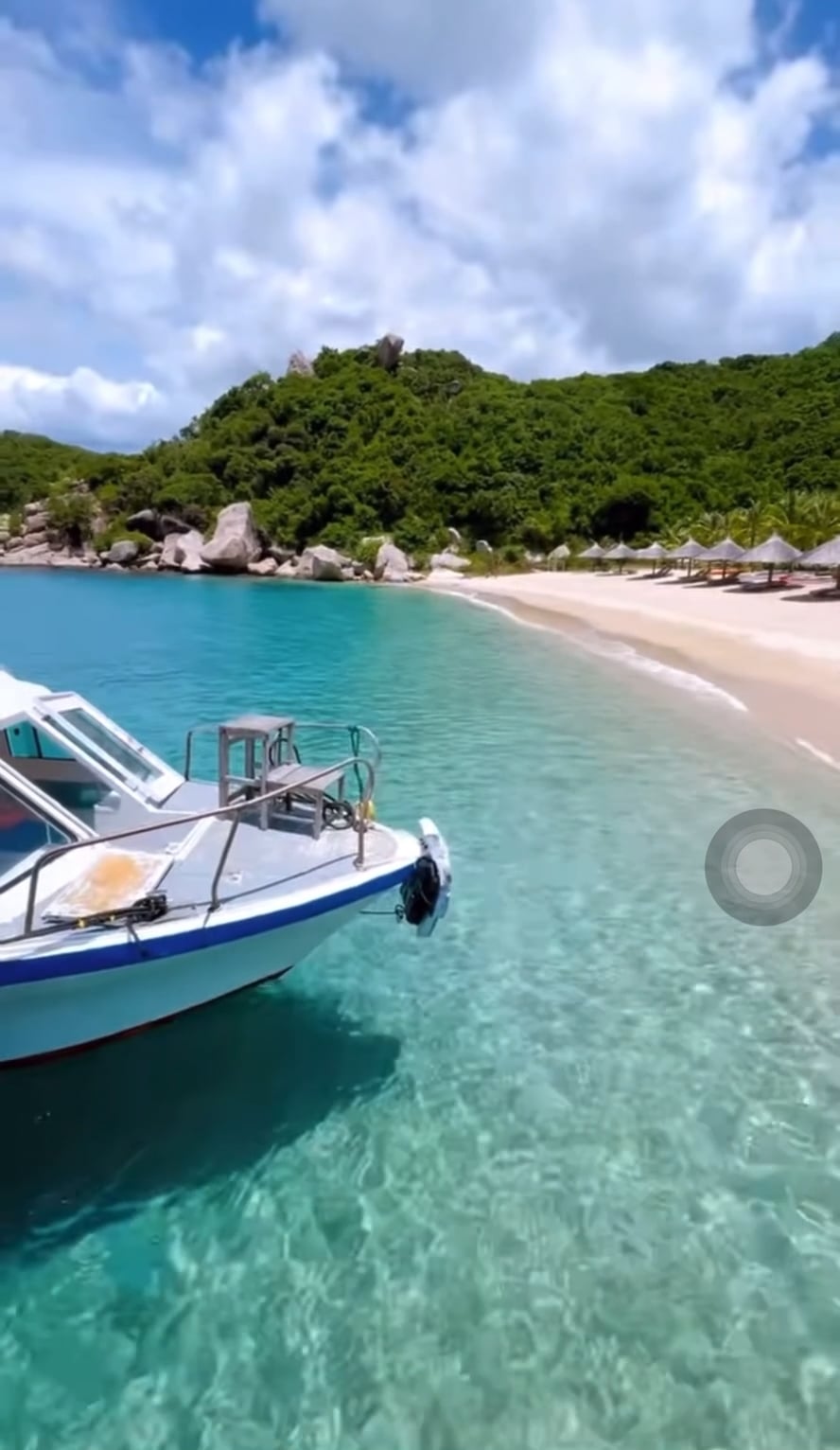
We’re a passionate diving team exploring Vietnam’s beautiful Van Phong Bay. Whether you’re learning to dive or already feel at home underwater, we’ll help you find your next adventure. Expect a personal welcome, island time and people who care about the ocean. That’s the Seahorse way.
Find Your Seahorse Adventure
Dive Trips & PADI Courses
Dive Trips & PADI Courses
Discover Van Phong Bay with our team, start your diving journey or build your skills. Explore our trips and visit our official PADI profile for the full course list.

Dive Week & Brazilian BBQ
Dive Week & Brazilian BBQ
Good dives, island time and Brazilian BBQ with new friends. Join our Dive Week and experience the Seahorse vibe—from reef to grill.
Ocean Conservation
Ocean Conservation
Get to know our coral conservation project and the work behind it. Discover how you can take part and help us care for the ocean we love.
About Seahorse Diving Club and Adventures

Our Philosophy
Our Philosophy
Our Philosophy
Embark on an unforgettable Dive Adventure Trip with the Seahorse Diving Club, the perfect gateway to thrilling underwater adventures. Our professional diving club offers a range of dive courses for all skill levels, whether you're looking to learn to dive as a beginner or you're an experienced diver eager for new challenges. Explore the d
Embark on an unforgettable Dive Adventure Trip with the Seahorse Diving Club, the perfect gateway to thrilling underwater adventures. Our professional diving club offers a range of dive courses for all skill levels, whether you're looking to learn to dive as a beginner or you're an experienced diver eager for new challenges. Explore the depths with top-of-the-line equipment, experienced guides, and join a community passionate about marine exploration and ocean conservation. Dive in today and check out our exciting scuba diving packages, including options for coral farming trips and beach parties that celebrate the beauty of the ocean. Plus, we offer PADI certification for those ready to take their scuba diving skills to the next level!
Our Expertise
Our Philosophy
Our Philosophy
Explore exciting diving trips at www.padi.com.br, where you can learn to dive and embark on unforgettable underwater adventures. Check out www.infinitydive.com for unique PADI certification courses, including options for coral farming and scuba diving packages tailored to your needs. For those interested in marine exploration, visit www.v
Explore exciting diving trips at www.padi.com.br, where you can learn to dive and embark on unforgettable underwater adventures. Check out www.infinitydive.com for unique PADI certification courses, including options for coral farming and scuba diving packages tailored to your needs. For those interested in marine exploration, visit www.vietnamactive.com to discover top-notch dive courses and the best beach party locations.
Our Equipment
Our Philosophy
Our Equipment
When you book a dive trip, all costumes will receive 1 free and exclusive t-shirt from our special collections, perfect for your beach party or marine exploration adventures. Join our scuba diving packages that offer exciting dive courses and the chance to learn to dive. Don’t miss out on our coral farming experiences during your underwat
When you book a dive trip, all costumes will receive 1 free and exclusive t-shirt from our special collections, perfect for your beach party or marine exploration adventures. Join our scuba diving packages that offer exciting dive courses and the chance to learn to dive. Don’t miss out on our coral farming experiences during your underwater adventures, especially if you're looking to earn your PADI certification!